
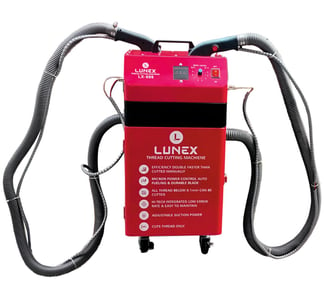
Thread trimming is an important part of garment production because excess thread can affect the appearance and finishing of sewn products.
An Automatic Thread Trimming Machine should be maintained regularly to support consistent operation and reduce avoidable interruptions during productio
Why Maintenance Matters
Thread trimming equipment operates around thread, fabric, and other production materials that can generate lint and debris. With regular use, these materials can accumulate around accessible machine areas.
A structured maintenance routine helps operators identify buildup, wear, unusual operation, or other visible issues before they interfere with production.
The exact maintenance requirements depend on the equipment design, so the manufacturer's operating and maintenance instructions should always be followed.
Clean Thread and Fabric Debris
Regular cleaning is one of the most straightforward maintenance activities. Loose threads and fabric fibres can collect around the trimming area and other accessible sections.
Operators should remove debris at suitable intervals based on production volume and the manufacturer's recommendations.
Cleaning should be performed safely and using appropriate methods. If compressed air or another cleaning method is recommended, it should be used according to the equipment instructions.
Inspect the Cutting Area
The cutting area should be checked regularly for visible thread buildup, damage, or other abnormalities. If trimming becomes inconsistent, operators should inspect the machine rather than continuing production without identifying the cause.
Changes in cutting performance can have several possible causes, including thread condition, machine adjustment, component wear, or material handling.
Where the issue requires technical adjustment, trained service personnel should handle the work.
Check Thread Handling
Thread condition and routing can influence trimming performance. Operators should ensure that thread is being handled according to the machine's intended operating procedure.
Incorrect threading or an unsuitable thread path can contribute to inconsistent trimming or repeated thread-related problems.
Routine operator checks can help identify these issues early.
Monitor Trimming Quality
The finished garment provides an important indication of how well the trimming process is performing. Operators should watch for excessive remaining thread, incomplete trimming, fabric damage, or other changes from the expected result.
If the quality of trimming changes, production teams should record the issue and investigate the machine and the wider sewing process.
A maintenance record can make recurring problems easier to track.
Follow a Preventive Maintenance Routine
Maintenance should be planned rather than performed only after equipment failure. Daily checks can cover cleaning and visible abnormalities, while periodic maintenance can follow the manufacturer's recommended schedule.
The frequency of inspection should reflect how heavily the equipment is used and the type of production environment.
A simple checklist can include cleaning, visual inspection, cutting-area condition, thread routing, and observations about machine operation.
Train Operators
Operators should know how the equipment normally operates and understand the basic maintenance tasks they are responsible for. They should also recognise when an issue requires technical attention.
Training should cover safe operation, cleaning procedures, basic inspection, and appropriate reporting of faults.
Trying to repeatedly adjust or repair equipment without suitable training can create additional problems.
Maintain a Clean Production Area
The machine's surrounding environment also matters. Keeping the production area organised can reduce the accumulation of loose thread and fabric waste around equipment.
Waste should be removed regularly, and tools or unrelated materials should not be left in areas where they could interfere with machine operation.
Conclusion
An effective maintenance programme for an automatic thread trimming machine includes regular cleaning, inspection of the trimming area, appropriate thread handling, quality monitoring, preventive maintenance, and operator training.
These simple practices can help production teams maintain a more consistent trimming process and identify potential problems earlier.
Lunex Machine supplies machinery relevant to textile and garment production, where efficient finishing processes such as thread trimming form part of the wider manufacturing workflow.