
Introduction
Lunex Machine offers machinery for apparel and textile manufacturing, including fusing equipment used to bond fabric and interlining. In garment production, fusing helps provide structure to components such as collars and cuffs without relying solely on stitching.
However, bonding quality depends on the compatibility of the materials, the processing conditions and the equipment being used. Understanding these factors helps manufacturers investigate defects and evaluate an Advanced Fusing Machine for their production requirements.
What Affects Fusing Quality?
Fusing involves bonding fusible interlining to shell fabric using heat and pressure under specified processing conditions. Results can vary depending on the fabric construction, adhesive system, interlining and machine configuration.
1. Fabric and Interlining Compatibility
The fabric and interlining must be suitable for the intended garment application. An unsuitable combination may produce weak adhesion, excessive stiffness or changes in the fabric's appearance.
Before bulk production, test the intended combination and inspect the finished sample for adhesion, flexibility and appearance.
2. Temperature, Pressure and Processing Time
Temperature activates the adhesive, pressure supports contact between the layers, and processing time affects how long the materials are exposed to the required conditions.
These variables work together. Unsuitable conditions may contribute to poor adhesion or fabric damage, depending on the materials involved.
Follow the recommendations provided by the fabric, interlining and adhesive suppliers, then validate the process using representative materials. Do not assume that the same settings will suit every fabric.
3. Material Preparation and Handling
Wrinkles, incorrect alignment and inconsistent feeding can affect the finished result. Check that materials are prepared correctly and positioned consistently before processing.
If defects recur, review both material handling and machine operation instead of assuming that the problem comes from temperature alone.
4. Machine Condition
Equipment condition can affect process consistency. Depending on the machine design, relevant checks may include temperature control, pressure application, belt condition and material transport.
Follow the manufacturer's operating and maintenance instructions. If results vary despite consistent materials and procedures, investigate the equipment before making unverified adjustments.
Common Fusing Defects and What to Check
| Defect | What to investigate |
|---|---|
| Bubbling | Material compatibility, moisture and processing conditions |
| Delamination | Adhesive compatibility, bonding conditions and material preparation |
| Adhesive strike-through | Fabric and adhesive compatibility, and processing conditions |
| Fabric distortion | Fabric sensitivity and exposure to heat and pressure |
| Uneven bonding | Material alignment, contact consistency and machine operation |
These symptoms can have multiple causes. For example, delamination does not automatically mean the temperature is too low. Compare affected samples with approved samples, review material specifications and change one process variable at a time during controlled trials.
Record recurring defects and corrective actions to help identify patterns and reduce repeated troubleshooting.
How to Choose an Advanced Fusing Machine
Selecting an advanced fusing machine requires matching the equipment to the factory's actual production needs.
Consider the following factors:
- Material requirements: Identify the fabrics and interlinings used in your products.
- Component dimensions: Check that the working width accommodates the garment components being processed.
- Operating controls: Understand the available temperature, pressure and processing-time controls.
- Production volume: Evaluate whether the machine suits the intended workload and workflow.
- Maintenance requirements: Check cleaning, routine maintenance, spare-parts availability and service arrangements.
Where possible, request a demonstration using representative materials. Evaluate the samples against your quality requirements and confirm the equipment's documented specifications before purchasing.
Exploring Fusing Equipment from Lunex Machine
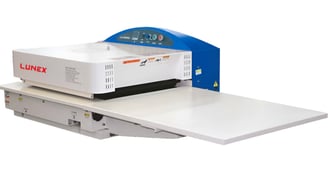
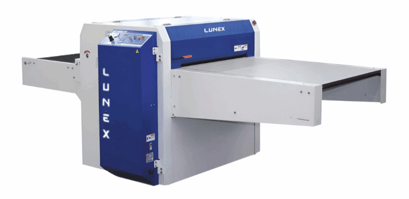
Lunex Machine lists several fusing equipment categories, including Compact Fusing Machines and Straight Linear Fusing Presses.
The published compact fusing machine range includes models with different working widths. The straight linear fusing press page describes a continuous-type machine intended for fabric processing and hot bonding applications. These are different equipment options, so manufacturers should compare their specifications and intended applications before deciding which configuration fits their workflow.
When contacting Lunex Machine, provide your fabric and interlining types, component dimensions, production requirements and any recurring bonding defects. Confirm the suitability of the proposed equipment and its specifications directly with the company.
Frequently Asked Questions
1. What is an advanced fusing machine used for?
A fusing machine bonds fusible interlining to fabric during garment production. Applications can include collars, cuffs and other garment components that require additional structure.
2. Why does fused interlining sometimes peel away?
Possible causes include incompatible materials, unsuitable processing conditions or inconsistent contact between the fabric and interlining. Testing is needed to establish the actual cause.
3. Can the same fusing settings be used for every fabric?
No. Different fabric and adhesive combinations may require different validated processing conditions. Follow supplier recommendations and test the intended combination before bulk production.
4. How can manufacturers assess fusing quality?
Inspect samples for adhesion, bubbling, strike-through, distortion and changes in appearance or flexibility. Additional tests should follow the relevant product specification and quality requirements.
5. What should buyers compare when selecting a fusing machine?
Compare material compatibility, working width, operating controls, production requirements, maintenance and service arrangements. Confirm specifications and application suitability before purchasing.
Conclusion
Consistent fusing depends on suitable materials, validated processing conditions and appropriate equipment. Investigating defects systematically helps manufacturers identify potential causes and make better-informed production decisions.
Lunex Machine's published fusing equipment range provides options for manufacturers to evaluate. The appropriate machine depends on the materials, component dimensions and production requirements of the intended application.